
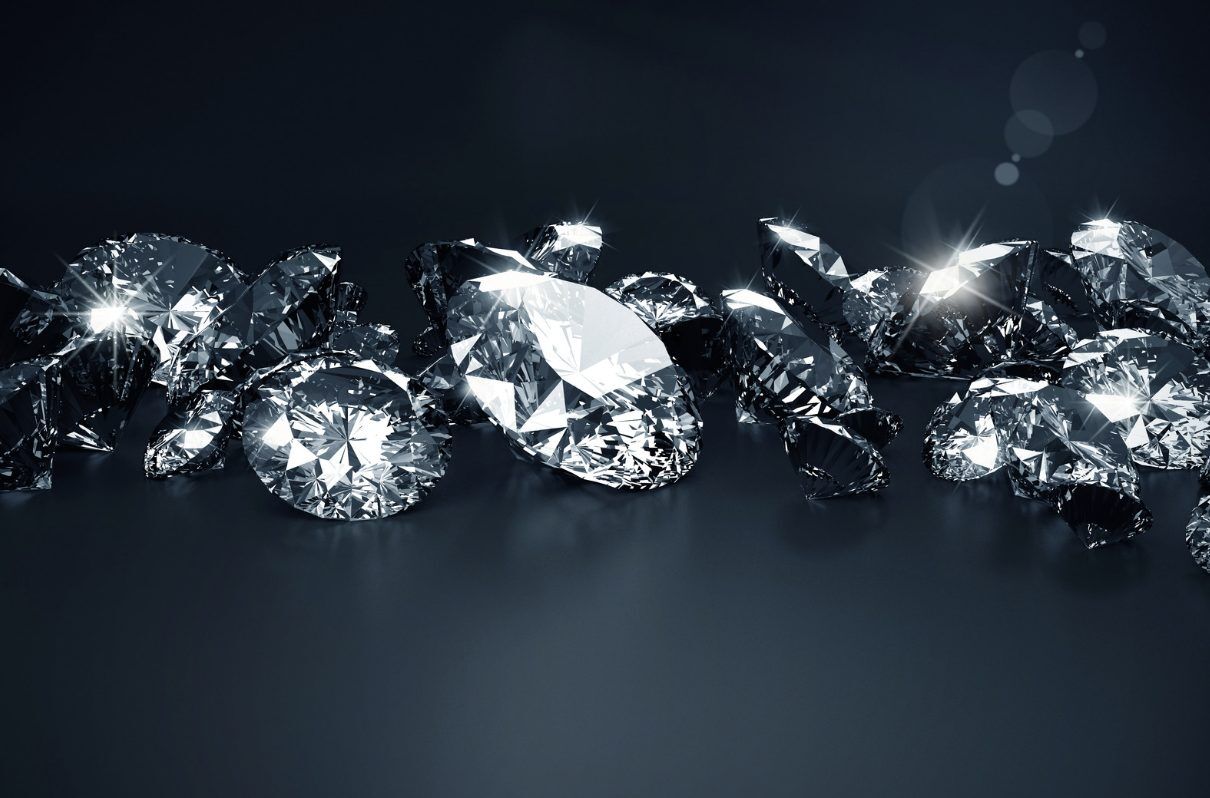
Diamonds have long been a symbol of love, status, and timeless elegance. But with the rise of technology, a new player has entered the jewelry market: lab-grown diamonds. Once viewed with skepticism, these scientifically crafted gems are now gaining widespread acceptance for their ethical, environmental, and financial advantages. But how do they truly compare to their natural counterparts? In this article, we explore the nuances of the lab grown diamond vs real diamond debate, shedding light on what sets them apart—and what brings them together.
What Are Lab-Grown Diamonds?
Lab-grown diamonds, also referred to as lab made diamonds, are precisely what their name implies: diamonds grown in a controlled laboratory environment rather than mined from the Earth. These gems are created using advanced technological processes that replicate the conditions under which natural diamonds form beneath the Earth’s crust.
Two primary methods are used to produce lab made diamonds: High Pressure High Temperature (HPHT) and Chemical Vapor Deposition (CVD). Both techniques result in diamonds that are chemically, physically, and optically identical to mined diamonds. That means they are just as hard, brilliant, and capable of being graded using the same standards as natural stones.
Natural Diamonds: A Geological Miracle
Natural diamonds, on the other hand, are formed over billions of years deep within the Earth’s mantle. They are brought to the surface through volcanic eruptions and mined from the Earth in a process that is both labor-intensive and environmentally demanding. Because of their ancient origin and geological uniqueness, natural diamonds carry a sense of mystique and tradition that appeals to many consumers.
However, the mining process for natural diamonds has long been criticized for its environmental impact and ethical concerns, including human rights issues in certain regions. These factors have driven a shift in public perception and fueled interest in alternatives like lab created diamonds.
Visual and Physical Differences: Can You Tell Them Apart?
One of the most surprising facts about the lab grown diamond vs real diamond conversation is how indistinguishable they are to the naked eye. Even professional jewelers often need specialized equipment to detect the subtle differences between the two. Both types of diamonds score a perfect 10 on the Mohs scale of hardness, and both can exhibit exceptional brilliance and clarity.
In terms of grading, both natural and lab made diamonds are evaluated by the same organizations, such as the Gemological Institute of America (GIA) and the International Gemological Institute (IGI), using the 4Cs: Cut, Color, Clarity, and Carat weight.
That said, lab-grown diamonds may sometimes contain metallic inclusions due to their creation process, while natural diamonds often feature mineral inclusions. These distinctions are only noticeable under magnification and with proper tools.
Cost Comparison: A Matter of Savings
One of the most significant factors fueling the popularity of lab made diamonds is their cost. Lab-grown diamonds typically cost 30% to 50% less than natural diamonds of comparable quality. This pricing difference is not due to inferiority but rather to supply chain efficiency and the ability to produce diamonds on demand without the extensive labor and logistics involved in mining.
For budget-conscious buyers or those who want a larger, higher-quality diamond without breaking the bank, lab created diamonds present a compelling option. The lower cost also allows consumers to invest more in the setting or design of a piece, enhancing the overall aesthetic without increasing the price tag.
Environmental and Ethical Considerations
Sustainability has become a central issue for today’s consumers, particularly younger buyers who are increasingly concerned with the origins of their products. The diamond industry is no exception.
Traditional diamond mining can lead to environmental degradation, including deforestation, soil erosion, and carbon emissions. It can also involve questionable labor practices, especially in regions where “blood diamonds” have historically funded conflict and violence.
In contrast, lab-grown diamonds offer a more ethical and eco-friendly alternative. Because they are created in labs, there is no mining involved, and the environmental footprint is significantly smaller. Additionally, these diamonds are often produced under strict labor laws, ensuring fair wages and safe working conditions.
Resale Value and Perceived Worth
One area where real diamonds often hold an edge is in their perceived and resale value. Natural diamonds have historically been seen as an investment, partly due to their rarity and cultural status. While resale markets for both natural and lab-grown diamonds exist, natural stones generally retain their value better over time.
However, it’s important to note that not all diamonds, natural or lab-made, are guaranteed to appreciate in value. Like cars, most consumer-grade diamonds depreciate once purchased. The notion of diamonds as a foolproof investment is often more romantic than it is realistic.
Which Should You Choose?
Choosing between a lab grown diamond and a natural diamond ultimately comes down to personal values, budget, and preferences. If you’re someone who values tradition, uniqueness, and the mystique of a billion-year-old gem, a natural diamond might be the right choice. On the other hand, if ethical sourcing, environmental responsibility, and affordability are high on your list, lab made diamonds are certainly worth considering.
Couples today are increasingly opting for lab-grown options for engagement rings, seeing them as a more modern and responsible way to symbolize their love. At the same time, others continue to favor the classic allure of Earth-mined diamonds, valuing their origin story and historical legacy.
Conclusion: A Brilliant Choice Either Way
As technology advances and consumer values evolve, the debate of lab grown diamond vs real diamond continues to spark interest and conversation. Each option offers its own set of benefits, from ethical sourcing and affordability to tradition and potential value retention. What’s clear is that lab made diamonds are no longer a niche or novelty—they are a legitimate, high-quality alternative to mined stones.
Whether you choose a lab-created gem or a natural one, the most important thing is that your diamond reflects your values and tells your story. After all, diamonds are more than just stones—they are symbols of love, commitment, and enduring beauty.