
There’s a moment that happens to almost everyone who cares about their space. You walk into a room — maybe your living room, maybe your office — and something just feels… off. It’s not terrible. It’s not broken. But it doesn’t feel finished either. It doesn’t feel like you.
I’ve had that moment more than once. And honestly, it’s usually not about furniture or paint colors. It’s about intention. The difference between a space that simply exists and a space that feels designed — truly designed — is subtle but powerful. That’s where thoughtful design studios, like ESAC Design, quietly change the game.
Design Is No Longer a Luxury — It’s Strategy
There was a time when professional design services were seen as an indulgence. Something reserved for high-end homes or glossy commercial projects. That mindset has shifted — and fast.
The Rise of Context-Driven Design
One thing that stands out in modern design philosophy is context. Gone are the days of copying trends from glossy magazines without considering environment, culture, or purpose.
Good design responds. It responds to climate. It responds to community. It responds to human behavior.
For example, designing a coastal home isn’t just about adding nautical colors. It’s about materials that resist humidity. It’s about airflow. It’s about maximizing natural light without overheating interiors. That requires both aesthetic sensitivity and technical expertise.
This is where firms like ESAC Design earn credibility. Their approach isn’t about imposing a style. It’s about interpreting a client’s needs through architectural logic and environmental awareness. That nuance matters. Because when design feels forced, people notice. When it feels natural, they simply feel comfortable.
And comfort, in design terms, is success.
Design Is Emotional (Even When We Pretend It’s Not)
Think about your childhood home. Or the first apartment you rented. There are probably rooms you can still picture clearly. That’s because design shapes memory. Layout influences interaction. Lighting influences mood. Materials influence sensory recall.
There’s a reason hospitality brands invest so much in atmosphere. Guests may not consciously analyze ceiling height or flooring materials, but they feel them.
Honestly, this is why rushed or poorly planned design can feel so unsettling. You might not articulate why a space makes you tense — but your nervous system knows. Harsh lighting. Poor acoustics. Cluttered layouts. They accumulate as low-level stressors.
Design isn’t decoration. It’s environmental psychology in action.
The Collaborative Process Behind Good Design
From the outside, design can look glamorous. Mood boards. Fabric samples. Sketches. But behind every finished space is a long process of listening, refining, and problem-solving.
Great designers don’t begin with color palettes. They begin with questions.
How do you use this space daily?
What frustrates you about it?
What’s missing?
Those conversations reveal patterns. Maybe a client needs flexible workspace. Maybe storage is the real issue. Maybe the problem isn’t style at all — it’s circulation and spatial hierarchy.
Why Cohesive Design Builds Brand Authority
If you’re running a business, your physical space communicates before you say a word.
Clients walk in and instantly form impressions. Is this company meticulous? Innovative? Reliable? Outdated? That judgment happens in seconds.
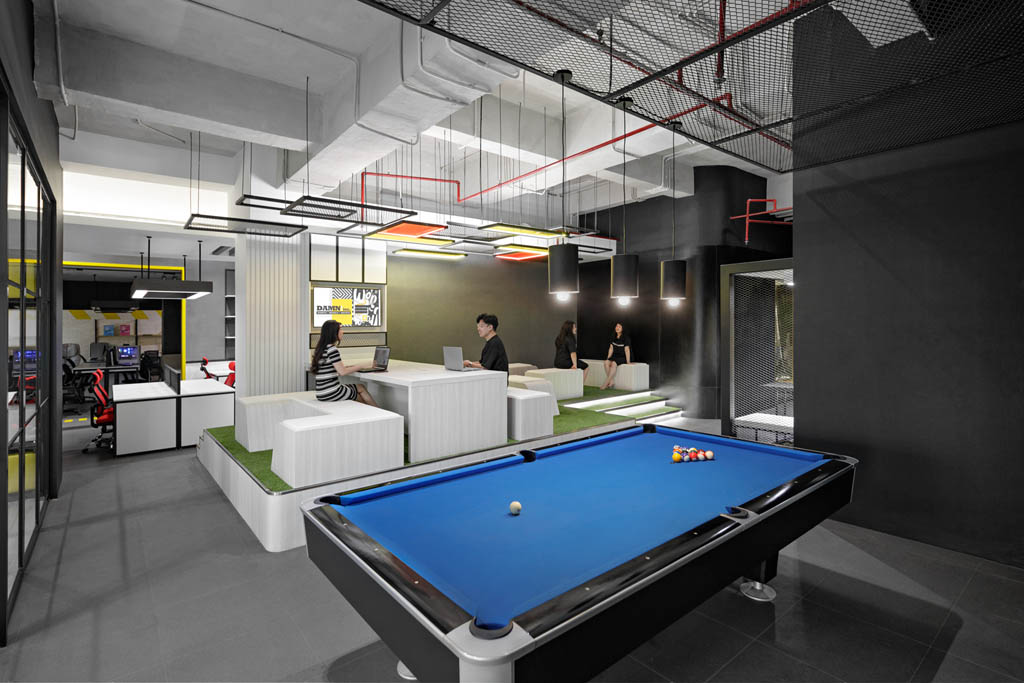
Design becomes part of brand language. Clean lines and minimalist layouts communicate efficiency. Warm textures and organic materials communicate approachability. Industrial elements suggest boldness and creativity.
Inconsistent design sends mixed signals. Cohesive design reinforces trust.
For companies scaling operations, investing in professional spatial strategy is often a turning point. It aligns physical environment with corporate identity. It improves workflow. It enhances client experience.
And here’s the part many overlook: employees notice too. Workspace design directly influences morale and retention. Natural light, acoustic management, collaborative zones — these aren’t aesthetic upgrades. They’re performance tools.
Sustainability Is No Longer Optional
Another shift shaping contemporary design is sustainability. And not in a token way.
Energy efficiency, material sourcing, lifecycle durability — these factors are integrated into responsible design planning. Clients increasingly ask about environmental impact. Building codes evolve. Consumers pay attention.
Forward-thinking design studios incorporate these principles from the beginning, not as afterthoughts. And that foresight often saves clients money over time.
Design as a Long-Term Investment
Here’s something that doesn’t get said often enough: poor design is expensive.
Not just financially, though renovation costs add up. It’s expensive in lost productivity. In daily frustration. In underutilized square footage. In brand dilution.
Thoughtful design, on the other hand, compounds value. It supports functionality for years. It adapts to growth. It enhances resale potential.
When evaluating professional services, people sometimes focus only on upfront cost. But design should be measured in lifecycle value. A well-executed project reduces maintenance issues, optimizes energy efficiency, and minimizes costly redesigns.
If you’re standing in that room that feels almost right but not quite, maybe it’s time to look deeper. Not at surface details, but at structure and intention.
Because when design is done with purpose, something shifts. Spaces start working for you instead of against you. And honestly, that’s not just good design — that’s good living.